Professional Washing & Thermal Disinfection Machines for Lab Parts
Niagara Systems has been offering washers for pharmaceutical and laboratory facilities over 85 years. We've provided high-quality solutions for the bottling, labware, instruments, sample tooling, vials and ampoules used in medical and laboratory environments. A pharmaceutical grade parts washer from Niagara Systems can be constructed to meet the standards for clean-room environments often seen in these industries. Niagara Systems offers a quick turnaround for quoting, design and build, and installation for our custom design capabilities.
Request a Quote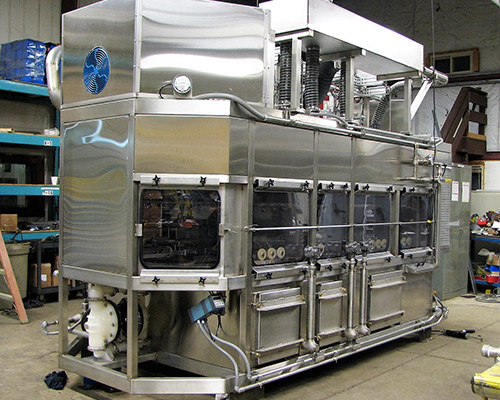
Industrial Parts Washers for the Medical and Pharmaceutical Industries
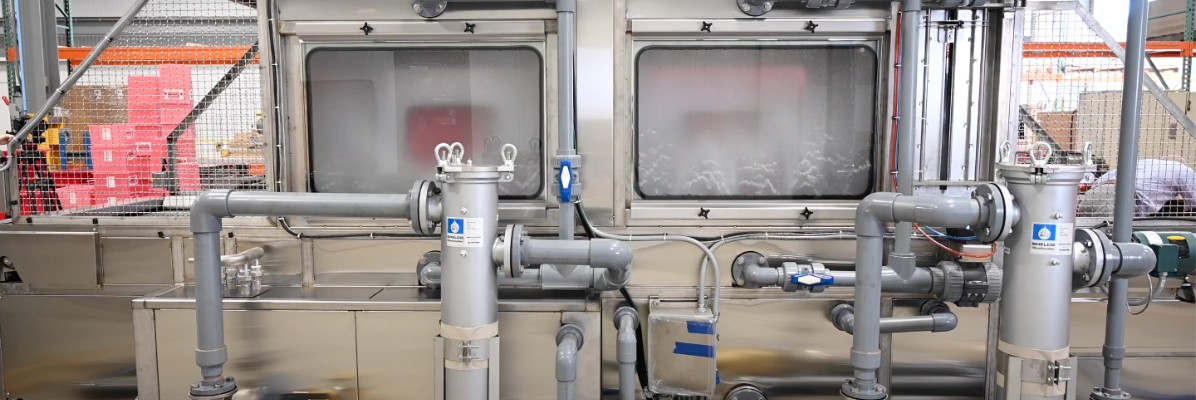
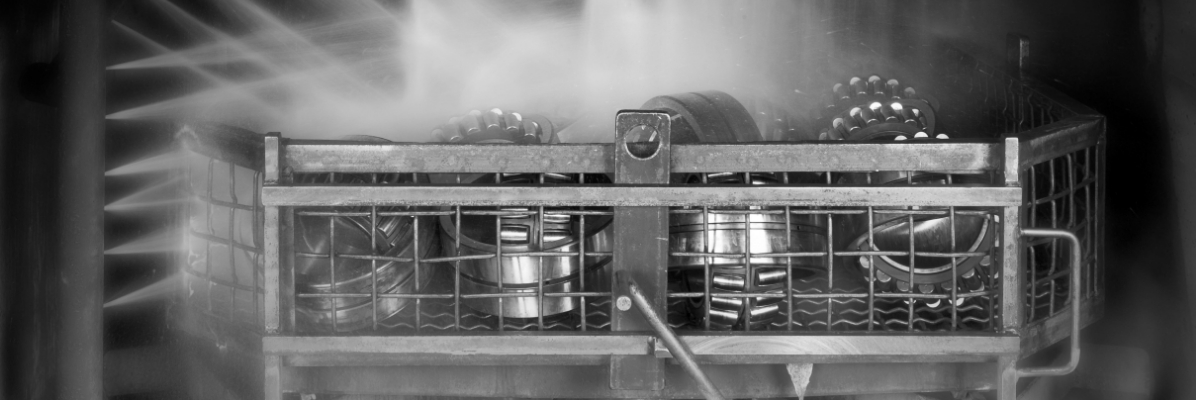
Strict requirements in the pharmaceutical industry call for multiple zones for washing, rinsing and sanitizing labware parts. Niagara Systems can custom design tunnel washers, carousel washers, and cabinet style parts washing machines that can wash, sanitize, and dry vials, glass bottles, and medical waste containers.
- 316 Stainless Steel Construction
- Wash Down Duty Componentry
- Zero Flat Surfaces
- Plumbing without “Dead-Heads”
- Mirror finish (#8 Finish) Option for Stainless Steel
- Pharmaceutical Grade Construction
- NEMA 4X Control Panel
- Application-Specific Washing, Drying, and Sanitizing Processes
- Chemical Make-up and Replacement
- Tanks that Cascade Based on Cleanliness
- A System that Replenishes with Clean Water
- Reduced Water Consumption via Recirculated Tanks
- Insulation that Lowers Electrical Costs
- HEPA Filtration
Get The Best Industrial Parts Washing Solutions For The Pharmaceutical Industry Here
Niagara Systems can help you design and configure a parts washing solution no matter the size or type of your organization. We’ll deliver a complete parts cleaning system that is custom designed to meet your requirements and budget. Our years of experience If you’re ready to improve your processes, get a quote on a laboratory g delivering complete industrial parts washing and drying machines across industries means you’ll get a comprehensive solution. Go ahead and contact us for more information on our laboratory washers — we’ll ensure you have what you need.
Frequently Asked Questions:
Pharmaceutical & Medical Parts Washing Systems
To learn more about our Pharmaceutical & Medical Parts washing systems, see the answers to our most frequently asked questions below.
What features should a pharmaceutical or medical parts washer have?
Look for a washer built so residue and moisture have nowhere to hide. Niagara Systems pharmaceutical washers use 316 stainless steel construction with wash-down duty components, zero flat surfaces, and plumbing designed without dead-heads, so water and cleaning solution drain fully instead of pooling. A #8 mirror-finish stainless option provides a smoother surface that is easier to wipe down and inspect. A NEMA 4X control panel protects the electronics during washdown, and HEPA filtration on the drying air helps keep particulates off clean parts.
Should I choose a cabinet, tunnel, carousel, or ultrasonic washer for my parts?
Match the machine to your volume, part size, and soil. Cabinet-style washers suit batch work with varied labware, bottles, and instruments. Tunnel washers move parts through wash, rinse, and dry zones continuously, which fits high-volume lines. Carousel washers rotate parts through the cycle and work well when you want a compact footprint with steady throughput. Ultrasonic cleaning fits small, intricate parts with blind holes or tight geometry that spray alone can miss. If your parts fit more than one category, Niagara engineers can recommend a configuration based on your load. The machine selection guide is a good starting point.
Can Niagara Systems build a washer around my specific pharmaceutical process?
Yes. Niagara designs tunnel, carousel, and cabinet-style washers around the application, with washing, drying, and sanitizing steps set for the parts you run, including vials, ampoules, bottles, labware, instruments, and sample tooling. To get an accurate quote, have these details ready: part material and dimensions, the residue you need to remove, your cleanliness requirement, how many parts you run per hour or per shift, and your available utilities. Send them through the request a quote form, and the team will take it from there.
How does the washer design support contamination control and cleanliness requirements?
Niagara builds in cascading tanks arranged by cleanliness level, so parts move from the dirtiest stage to the cleanest and the final rinse stays uncontaminated. Smooth, fully draining stainless surfaces reduce spots where residue or bacteria can collect between cycles, and HEPA filtration cleans the air used during drying. Drying matters as much as washing, since leftover moisture invites spotting and microbial growth. Read Niagara’s technical papers on cleanliness testing and effective drying for more detail. Your facility remains responsible for validating the cleaning process to its own regulatory requirements, so raise any documentation needs early in the quoting conversation.
How can a Niagara washer lower water and energy costs?
Niagara designs recirculated tank systems that reuse wash and rinse solution instead of sending fresh water to drain on every cycle, which cuts water consumption and wastewater volume. Insulated tanks and enclosures hold heat, so the heaters run less often and electrical costs drop. Cascading tanks add to the savings by letting cleaner rinse water feed earlier stages. When you compare quotes, ask for expected water use and heater load per hour so you can estimate yearly operating cost alongside the purchase price.