What Is a Solvent Cleaner?
April 2, 2026
What Does “Sanitary” Mean in Manufacturing? A Guide to Hygienic Design
May 5, 2026
How to Choose the Best Parts Washer Solvent: What to Know Before You Buy
Choosing a parts washer solvent is rarely simple. The chemistry you select influences cleaning consistency, cycle times, operator safety, regulatory exposure, and the washer’s long-term efficiency. Buyers often start by searching for the best parts washer solvent or scanning reviews, only to find broad claims that ignore how real-world applications actually work.
At Niagara, we see solvent selection as an engineering decision tied directly to the cleaning problem, the equipment design, and how the system will be used day to day. Whether you’re looking for an industrial solvent or an aqueous solution, the right product is one that matches your operation. This guide breaks down what to evaluate before you buy, how solvent and system choices intersect, and how to make the right decision.
The Parts Washer Solvent Landscape Buyers Encounter Today
Most buyers begin with a short list of solvents based on familiarity, prior use, or availability. However, that approach often creates confusion once performance expectations, safety requirements, and equipment constraints come into play.
Industrial cleaning chemistry generally falls into two primary paths. One includes traditional solvents for applications formulated to dissolve oils, greases, and machining residue efficiently. The other relies on aqueous solutions that use water, heat, and detergents to lift and carry soils away from the part. Within each path, formulations vary widely in strength, volatility, material compatibility, and regulatory profile.
Before narrowing in on brands or reviews, it helps to recognize that no single chemistry can be called “the best” parts washer solvent for every operation. The right choice starts by understanding where each category tends to perform well and where limitations begin to surface.
Start With the Cleaning Challenge, Not the Solvent Label
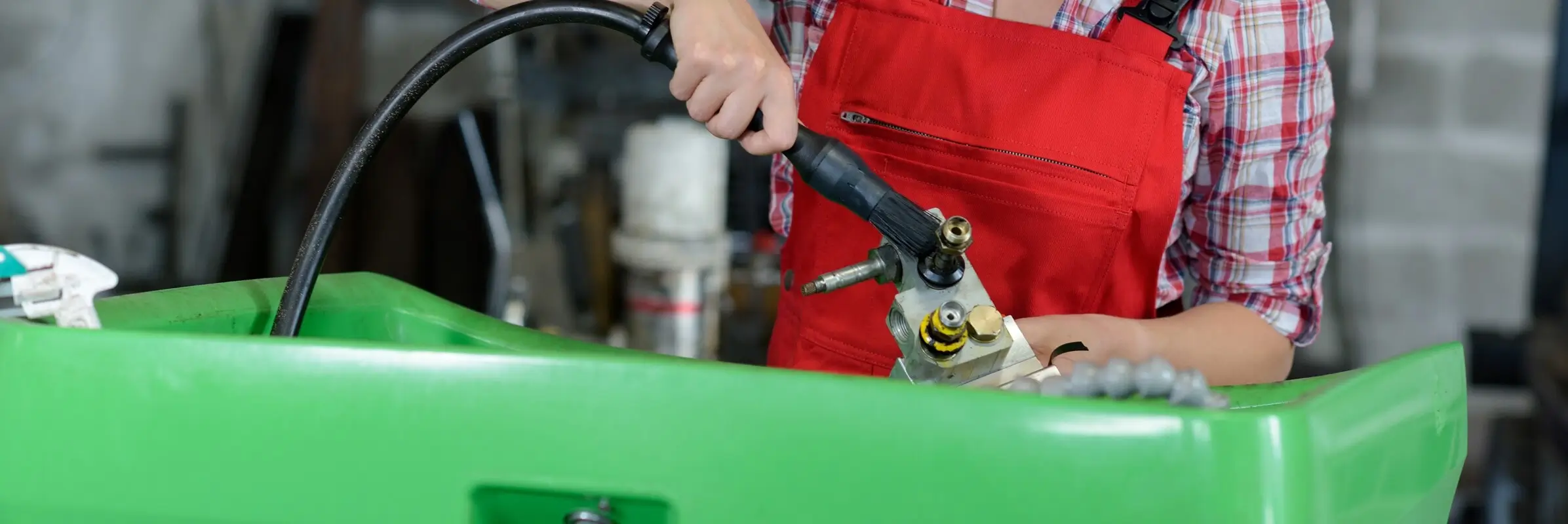
Solvent selection works best when it begins with a clear understanding of what needs to be removed from the part. Oils, greases, coolants, carbon buildup, and fine particulate each respond differently to cleaning chemistry. A solvent for parts washing that performs well on heavy oil may be unnecessary for lighter soils, while an aqueous parts washer solution can struggle if the contamination profile is not fully defined.
Several practical factors shape how an industrial solvent or water-based chemistry will perform:
- Type and concentration of contamination, including oils, greases, coolants, or embedded particulate
- Material and surface characteristics, such as base metal, coatings, plastics, or elastomers, that may limit chemistry options
- Part geometry and complexity, including blind holes, tight tolerances, and assembled components
- Production requirements, such as throughput expectations, cycle time limits, and drying needs
When these elements are evaluated together, solvent selection becomes a process of alignment rather than trial and error. At Niagara, we use this information to recommend chemistry that supports consistent cleaning results within the realities of the production environment.
Solvent vs. Aqueous Parts Washer Systems: How to Compare Them
Once the cleaning challenge is clearly defined, most buyers begin weighing solvent-based systems against water-based alternatives. The comparison centers on how each approach fits the application, the facility, and the expectations placed on the washer.
Industrial Parts Washer Solvent Use Cases
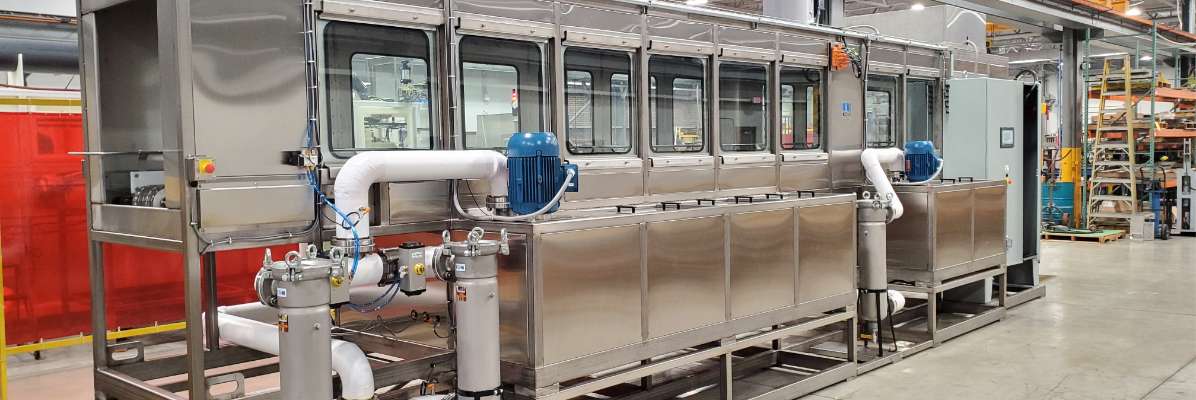
Solvent-based cleaning remains a practical choice for applications that require the quick, complete removal of oils and greases. Industrial parts washer solvents are often selected when drying time needs to be minimal or when water-based chemistry struggles to break down specific contaminants. Solvents are commonly paired with cabinet-style or enclosed washers designed to manage vapor, filtration, and fluid life effectively.
From a buyer’s perspective, solvent systems require careful attention to ventilation, safety protocols, and ongoing solvent management. When those factors are addressed early, solvent cleaning can provide consistent results in demanding environments.
Aqueous Parts Washer Solution Use Cases
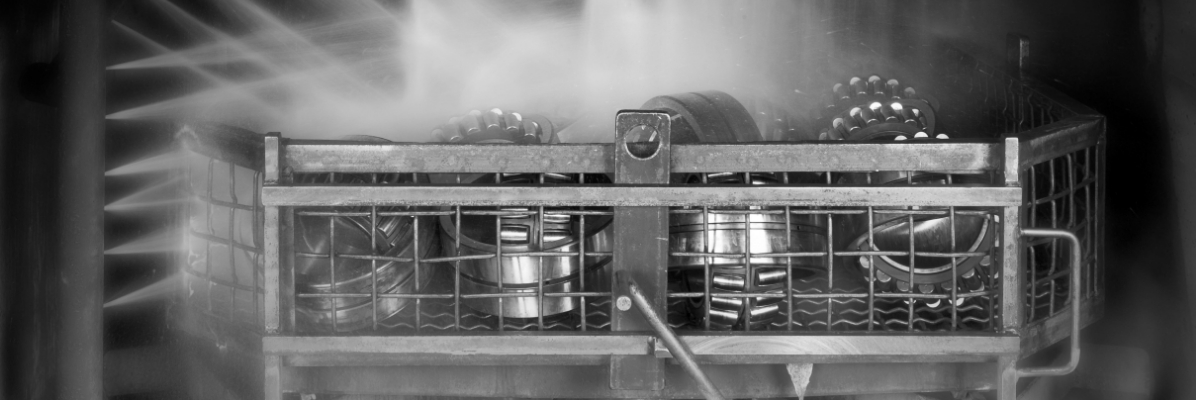
Aqueous parts washer solutions rely on a combination of detergents, heat, and mechanical action to lift soils from the part surface. These systems are frequently chosen for operations seeking reduced chemical exposure or alignment with environmental guidelines. Modern aqueous washers integrate heating, rinsing, and drying stages that support repeatable cleaning across higher volumes.
Water-based systems tend to perform well on mixed soils and applications where residue tolerance is low. They also integrate smoothly into automated and tunnel washer designs, making them a common option for continuous production lines.

Safety, Compliance, and Alternative Cleaning Approaches
Safety and compliance considerations increasingly influence how buyers evaluate parts washer chemistry. Beyond cleaning performance, many operations must account for worker exposure, facility controls, and evolving environmental requirements when selecting a solvent for parts washing.
Industrial parts washer solvent options vary widely in volatility, odor, and handling requirements. These factors affect ventilation needs, personal protective equipment policies, and waste management practices. In some environments, regulatory oversight or internal safety standards limit which solvents can be used, regardless of cleaning effectiveness.
As a result, many buyers explore alternative approaches alongside traditional solvents. Aqueous parts washer solution options are often considered where reduced chemical exposure is a priority or where wastewater treatment infrastructure is already in place. Lower-toxicity formulations and closed-loop systems also help meet compliance goals while maintaining consistent cleaning results.
At Niagara, we factor safety and regulatory constraints into the chemistry discussion from the start.
Matching the Best Parts Washer Solvent to the Washer Itself
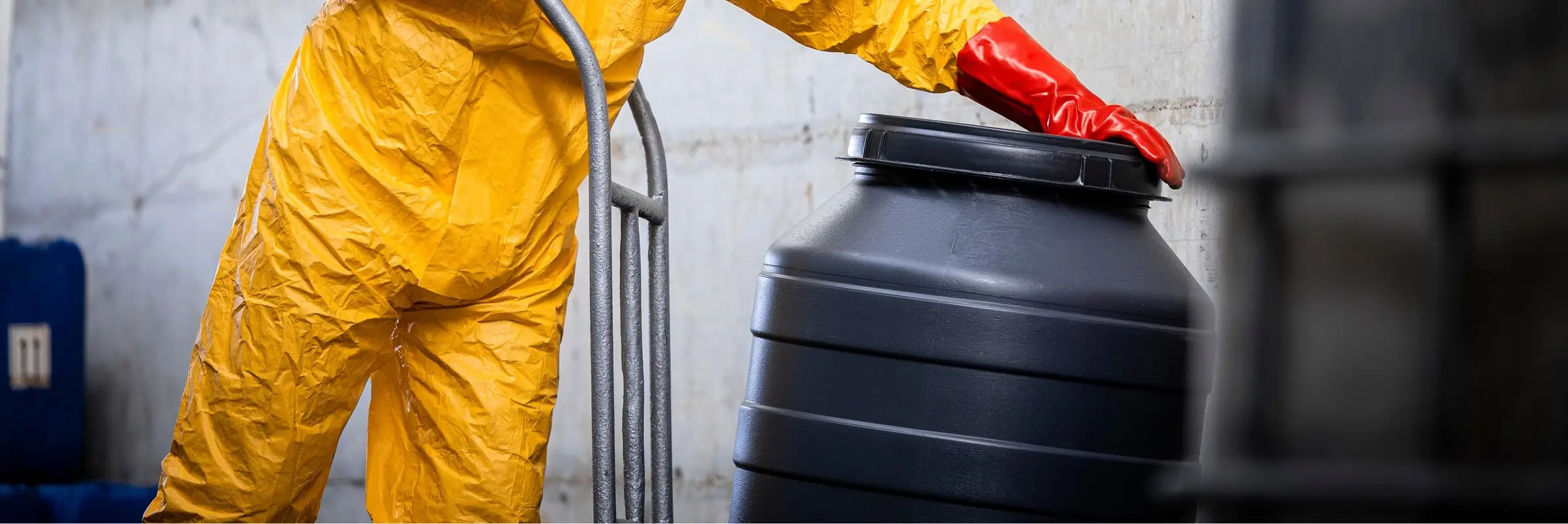
Cleaning chemistry and washer design operate as a single system. When solvent selection is evaluated in isolation, performance issues often surface later in the form of inconsistent results, increased maintenance, or shortened fluid life. Aligning the solvent with the washer from the outset helps avoid those outcomes.
Several equipment-related factors directly influence how a solvent for parts washer use will perform:
- Washer type and configuration, including cabinet, tunnel, or fully automated designs that affect circulation and containment
- Spray pressure and fluid movement, which influence how effectively soils are removed and carried away
- Filtration and fluid management systems that determine solvent cleanliness and usable life
- System materials and seals that must remain compatible with the selected industrial parts washer solvent or aqueous parts washer solution
When these elements are considered together, chemistry supports consistent cleaning rather than compensating for equipment limitations. At Niagara, we incorporate solvent compatibility into the washer specification process so performance expectations align with real operating conditions.
Purchasing Considerations That Affect Long-Term Cost
Evaluating parts washer chemistry solely on initial price can obscure the factors that shape operating costs over time. A solvent for parts washer use must be assessed in the context of how it performs day after day within the system.
Solvent Life and Changeout Frequency
Industrial parts washer solvent formulations vary in how well they maintain cleaning effectiveness as soils accumulate. Chemistry with a shorter usable life increases fluid replacement frequency, handling requirements, and associated labor. Longer-lasting options often support more stable operation when paired with proper filtration.
Disposal, Handling, and Facility Impact
Waste management requirements influence both cost and compliance. Disposal procedures, storage needs, and internal handling policies affect how easily a solvent or aqueous parts washer solution fits into an existing facility workflow.
Maintenance and Production Downtime
Chemistry that stresses pumps, seals, or filtration components can increase maintenance events and unplanned downtime. Selecting a solvent that aligns with washer design helps maintain predictable service intervals and supports consistent production output.
At Niagara, these considerations are addressed during the selection process, so long-term cost remains visible before a purchase decision is made.
See How Our Customized Cleaning Systems Come Together
Reading about parts washer solvents and system design can answer many questions, but seeing the process in action often brings clarity faster. This short video offers a look at how Niagara integrates equipment design, cleaning chemistry, and application requirements into a single system.
Conclusion
Choosing the best parts washer solvent requires looking beyond product labels and isolated reviews. Cleaning chemistry influences safety, compliance, operating cost, and system reliability, all of which matter long after installation.
By starting with the cleaning challenge, understanding the differences between solvent and aqueous parts washer systems, and evaluating how chemistry interacts with the washer itself, buyers can make informed decisions that hold up in real production environments. When questions arise, Niagara works alongside customers to assess options, reduce uncertainty, and support confident system specification.
If you’re evaluating a new washer or reassessing your current cleaning process, our team is available to help identify the right chemistry for your application and operating goals.
Talk Through Your Parts Washer Solvent Options With Niagara Systems
Choosing the right cleaning chemistry often raises questions that product listings or parts washer solvent reviews alone cannot answer. Factors such as contamination type, throughput, safety requirements, and equipment design all influence which solvent for parts washers makes sense in practice. Niagara works directly with customers to evaluate these details and recommend chemistry that aligns with real operating conditions.
Contact our team today to discuss your application, review your current process, and determine a cleaning solution that supports your operational goals.
Frequently Asked Questions About the Best Parts Washer Solvent
How do I know if my parts washer is compatible with different types of solvents?
Compatibility depends on how the washer was designed and the materials used throughout the system. Seals, pumps, hoses, filtration components, and enclosure design all influence which solvent is appropriate for parts washer use. Ventilation and fluid management features also matter, especially when evaluating an industrial parts washer solvent with higher volatility. The safest approach is to review equipment specifications and confirm chemistry compatibility before introducing a new solvent. At Niagara, this evaluation is part of the system review process, so compatibility concerns are addressed upfront.
Can I switch between solvent and aqueous solutions in the same parts washer?
In most cases, switching between solvent-based and water-based chemistry is not recommended without modification. Solvent and aqueous parts washer systems differ in temperature ranges, materials, filtration methods, and safety controls. Attempting to alternate chemistry without proper preparation can lead to residue issues, component wear, or inconsistent cleaning. If a process change is being considered, the washer configuration should be reviewed to determine whether conversion is practical or if a dedicated system is the better option.
How often should I replace the solvent in my parts washer for optimal performance?
Replacement frequency varies based on soil load, filtration efficiency, production volume, and the specific chemistry in use. Some industrial parts washer solvent formulations maintain effectiveness longer under heavy use, while others require more frequent changeout as contamination accumulates. Rather than relying on a fixed schedule, performance indicators such as cleaning consistency, residue levels, and filtration condition provide better guidance. Niagara helps customers establish maintenance intervals that reflect real operating conditions rather than generic timelines.